
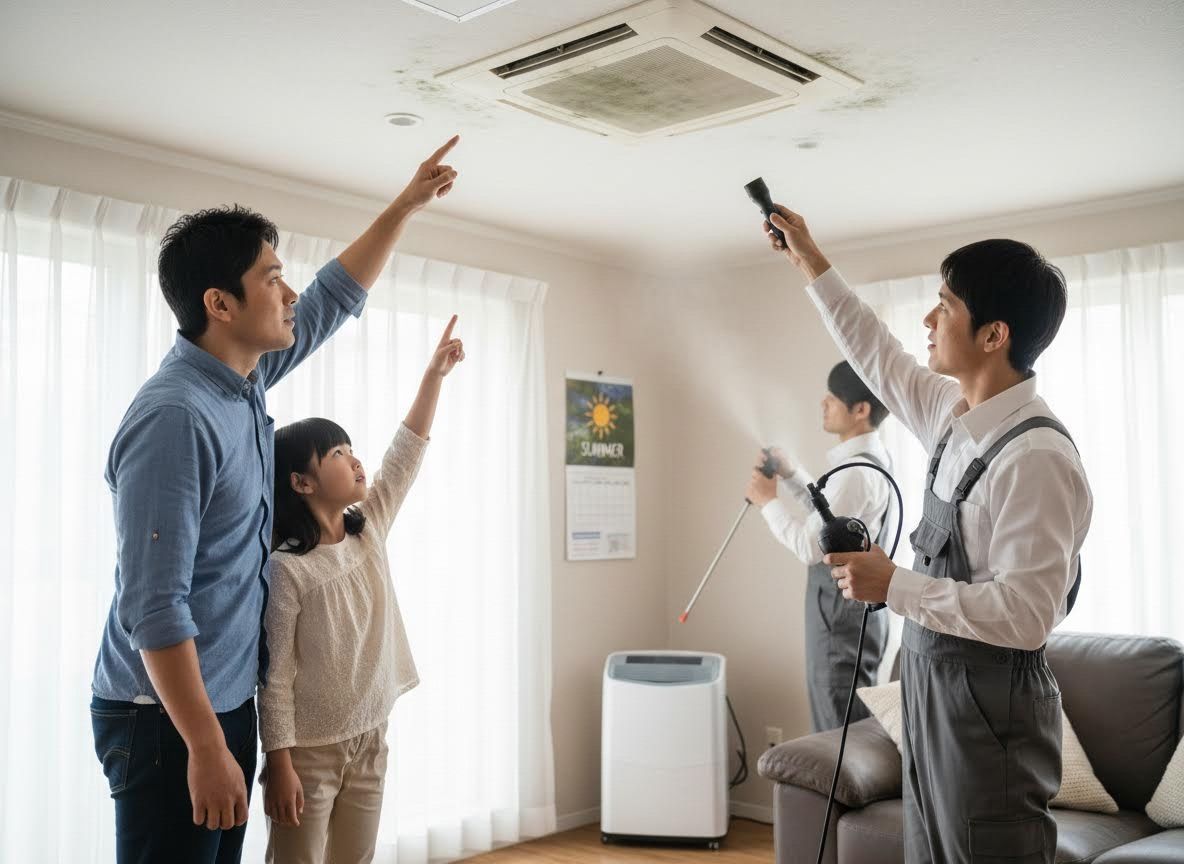
With summer humidity just around the corner, many homeowners and property managers begin to think about their cooling systems. However, few consider the hidden dangers that can lurk within their HVAC unit, especially the potential for mold growth, which can silently spread throughout a property. Air Care and Restoration understands these concerns and is here to shed light on how your HVAC system might be contributing to indoor air quality issues, just when you need it most.
The HVAC System: A Breeding Ground for Mold
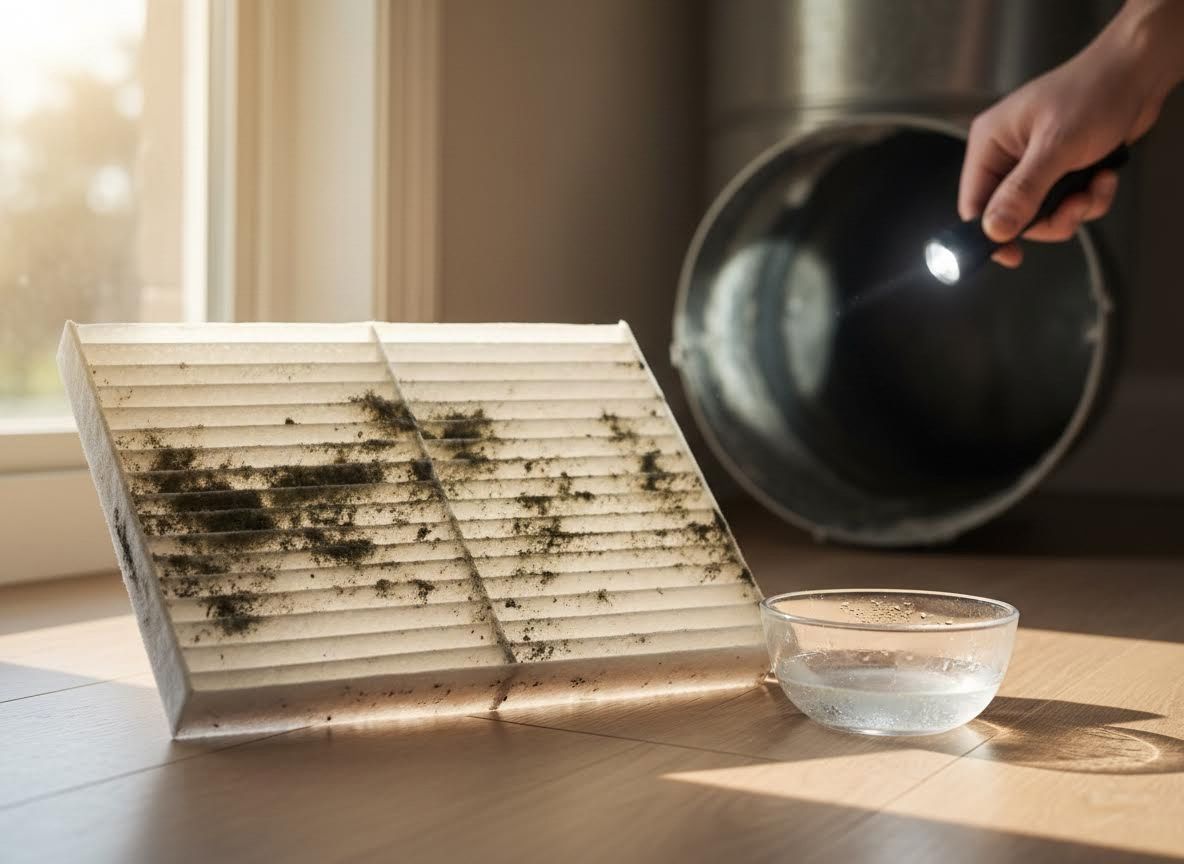
Your heating, ventilation, and air conditioning (HVAC) system is designed to circulate air, keeping your indoor environment comfortable. However, during peak summer humidity, the conditions within your HVAC unit can become ideal for mold growth. Condensation forming on cold coils, combined with dust and the naturally dark environment of ductwork, creates a perfect storm. As air passes through these contaminated areas, mold spores can be picked up and distributed throughout every room, turning your comfort system into a potential health concern.
Recognizing the Signs: When to Suspect Mold
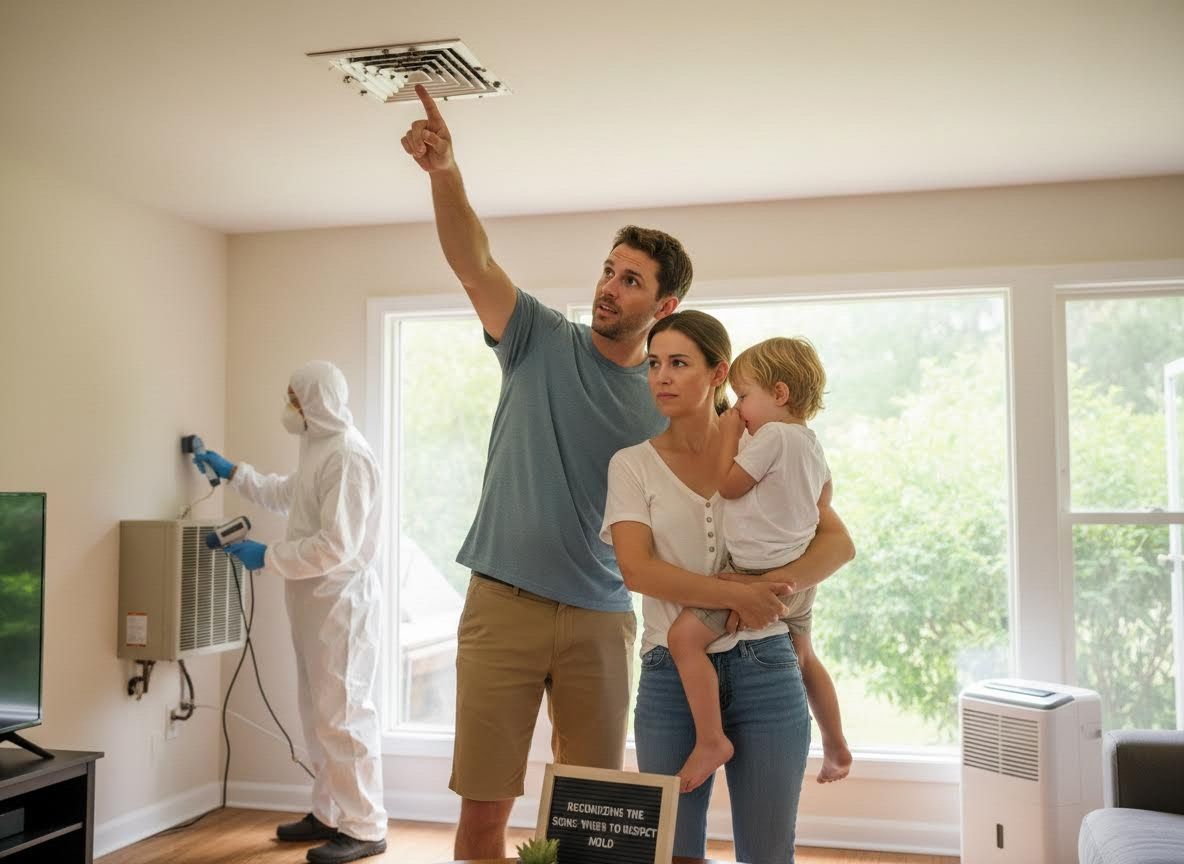
Detecting mold within your HVAC system isn't always straightforward, as it often hides out of sight. One of the most common indicators is a persistent musty odor, particularly noticeable when your system is running. You might also observe visible mold growth around vents or drip pans, or experience an increase in allergy-like symptoms among occupants. If you suspect an issue, professional mold inspections and precise mold testing are crucial steps to confirm the presence of mold and determine its extent. This proactive approach helps protect health and property value.
Professional Solutions for a Healthy Environment
Once mold is identified, timely and effective action is paramount. Ignoring the problem will only allow it to spread, worsening air quality and potentially leading to structural damage. Addressing mold in your HVAC system and ductwork often requires specialized services from an experienced mold removal company. This typically involves containment, professional cleaning, and treatment of affected areas. For comprehensive remediation, particularly in regions like mold remediation pennsylvania, experts utilize techniques that not only remove visible mold but also cleanse the air circulation pathways. An air duct sanitizing fogger can be a highly effective tool for purifying the ductwork and preventing future growth after the initial removal.
Proactive Steps for Prevention
Preventing mold growth in your HVAC system is easier than dealing with an infestation. Regular professional HVAC maintenance, including cleaning coils and drain pans, is essential. Ensuring proper humidity control within your property, ideally below 60%, can significantly reduce moisture levels that mold needs to thrive. Promptly addressing any water leaks or plumbing issues is also vital, as uncontrolled moisture is a primary catalyst for mold. These preventative measures, especially heading into humid seasons, are key to maintaining a healthy indoor environment.
As summer humidity increases, understanding the potential for mold growth within your HVAC system is more important than ever for maintaining a healthy indoor environment. Identifying the signs early and taking decisive action can protect your property and the well-being of its occupants. For expert advice and comprehensive solutions, from detailed mold testing to thorough mold remediation, we encourage you to explore the resources available on our website to ensure your property remains clean and safe.