
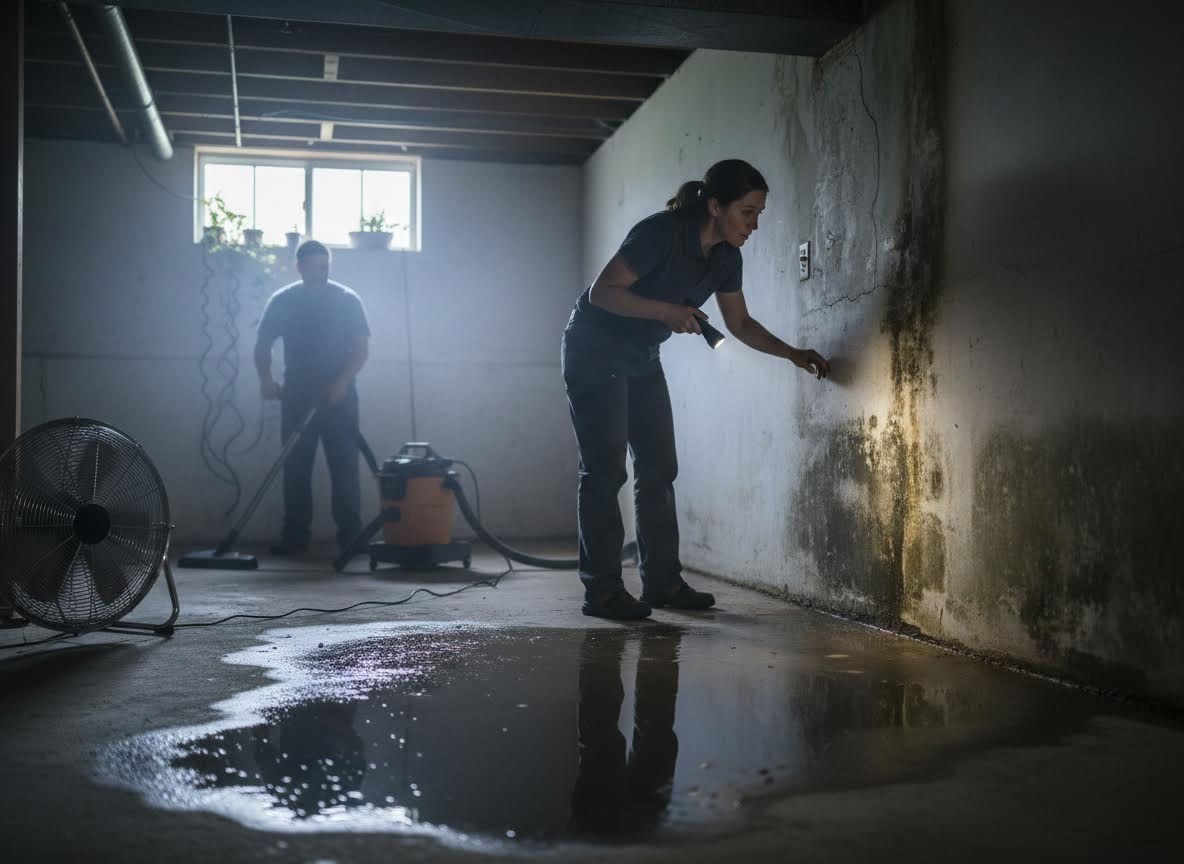
Lehigh Valley summers bring beautiful weather, but they also usher in powerful storms that can quickly turn your basement into a waterlogged nightmare. Water damage, if not addressed promptly, creates a perfect breeding ground for mold, posing significant health and structural risks to your home. Preventing this damage is key to maintaining a healthy living environment, and Air Care and Restoration is here to help guide you through essential protective measures.
Understanding the Threat of Summer Storms
The intense rainfall characteristic of Lehigh Valley summer storms often leads to saturated ground and potential flash flooding, significantly increasing the risk of basement water intrusion. When the soil around your foundation becomes overly saturated, hydrostatic pressure can force water through cracks, porous concrete, or even up through your floor. Additionally, clogged gutters and improperly routed downspouts can cause water to pool around your home's foundation, directly leading to leaks and interior water damage. The damp, dark conditions of a basement, once compromised by water, become an ideal environment for mold spores to thrive, often leading to rapid growth within 24-48 hours.
Proactive Steps to Safeguard Your Basement
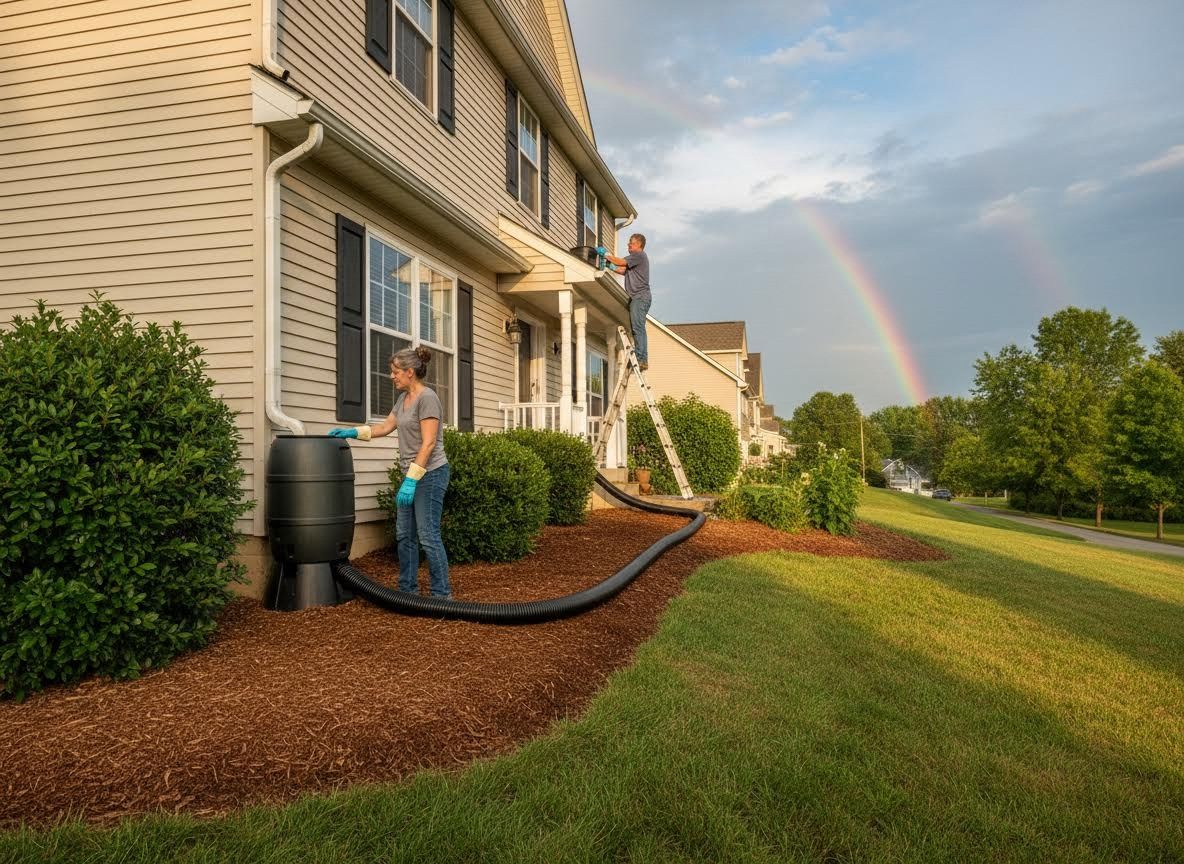
Before the storm clouds gather, there are several crucial steps you can take to protect your basement from water damage. Start by ensuring your gutters are clear of debris and your downspouts extend at least 5-10 feet away from your foundation to direct water away effectively. Inspect your foundation for any visible cracks or openings and seal them with appropriate waterproof caulk or hydraulic cement. Proper landscaping, ensuring the ground slopes away from your home, can also significantly reduce water accumulation. Regularly test and maintain your sump pump to ensure it's in working order, as a reliable sump pump is your first line of defense against rising water.
Responding to Water Damage and Preventing Mold Growth
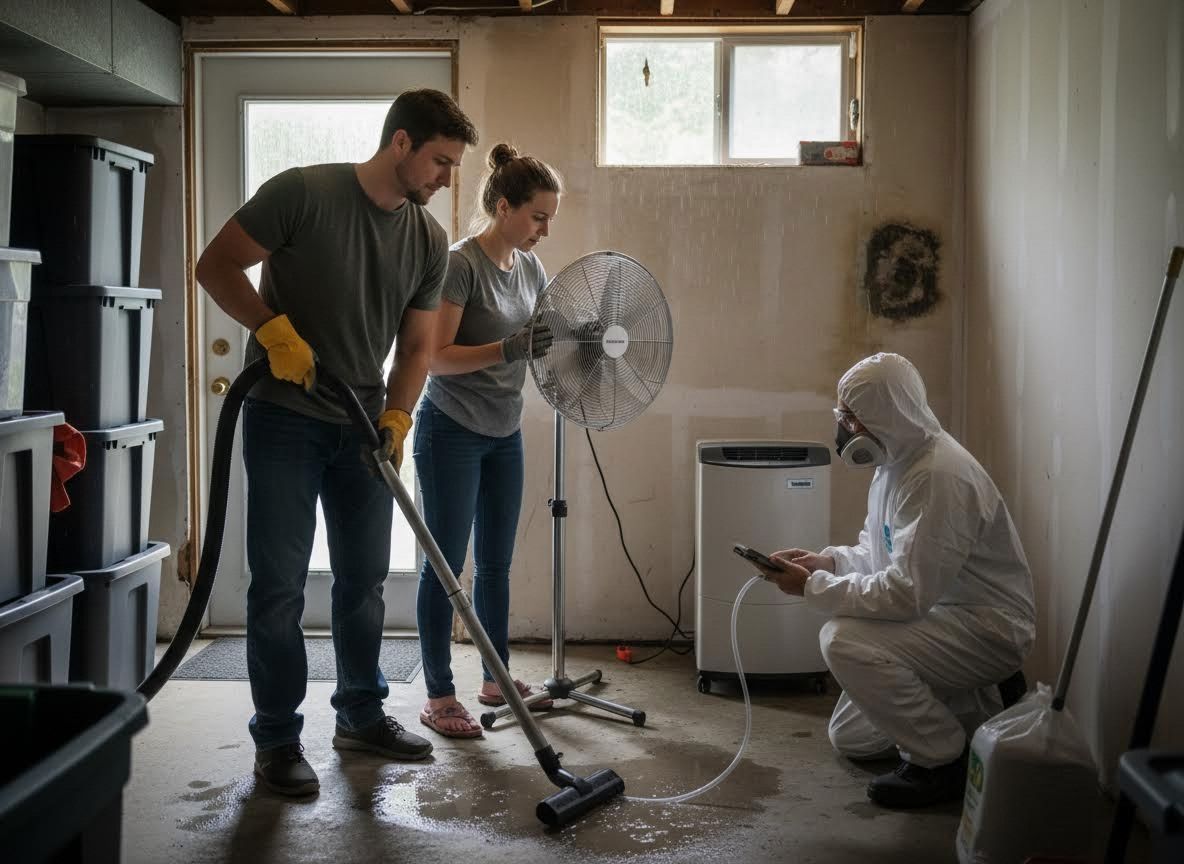
Despite your best preventative efforts, water damage can sometimes occur. If your basement experiences flooding, safety is paramount; turn off electricity to the affected area if possible. Begin water removal immediately, using wet/dry vacuums or pumps, and start the drying process with fans and dehumidifiers. However, if water has sat for an extended period, or if you suspect mold has begun to form, it’s vital to seek professional assistance. Early identification is key, making mold testing an essential first step. A qualified mold removal company can conduct thorough mold inspections to identify hidden moisture and growth, and provide comprehensive mold remediation pennsylvania residents can trust to restore their property to a safe condition.
Addressing Air Quality After Water Intrusion
Even after visible water damage is cleaned up and surfaces appear dry, moisture can linger in hidden areas, leading to ongoing mold growth and impacting indoor air quality. Mold spores can become airborne and circulate throughout your home, potentially affecting respiratory health. It's crucial to address not just the visible mold, but also the microscopic spores that may have spread. Professional services can assess air quality and recommend solutions. For instance, an air duct sanitizing fogger can be utilized to treat your HVAC system, helping to eliminate lingering mold spores and other contaminants that may have circulated through your ductwork after a water event.
Protecting your Lehigh Valley home from summer storm damage and subsequent mold growth requires vigilance and timely action. By implementing preventive measures and knowing when to seek expert assistance, you can safeguard your property and your family’s health. If you suspect water damage or mold growth after a storm, remember that prompt action is critical to prevent further complications. Air Care and Restoration is dedicated to helping homeowners and property managers maintain healthy, safe indoor environments, offering trusted solutions for storm recovery and mold prevention.