
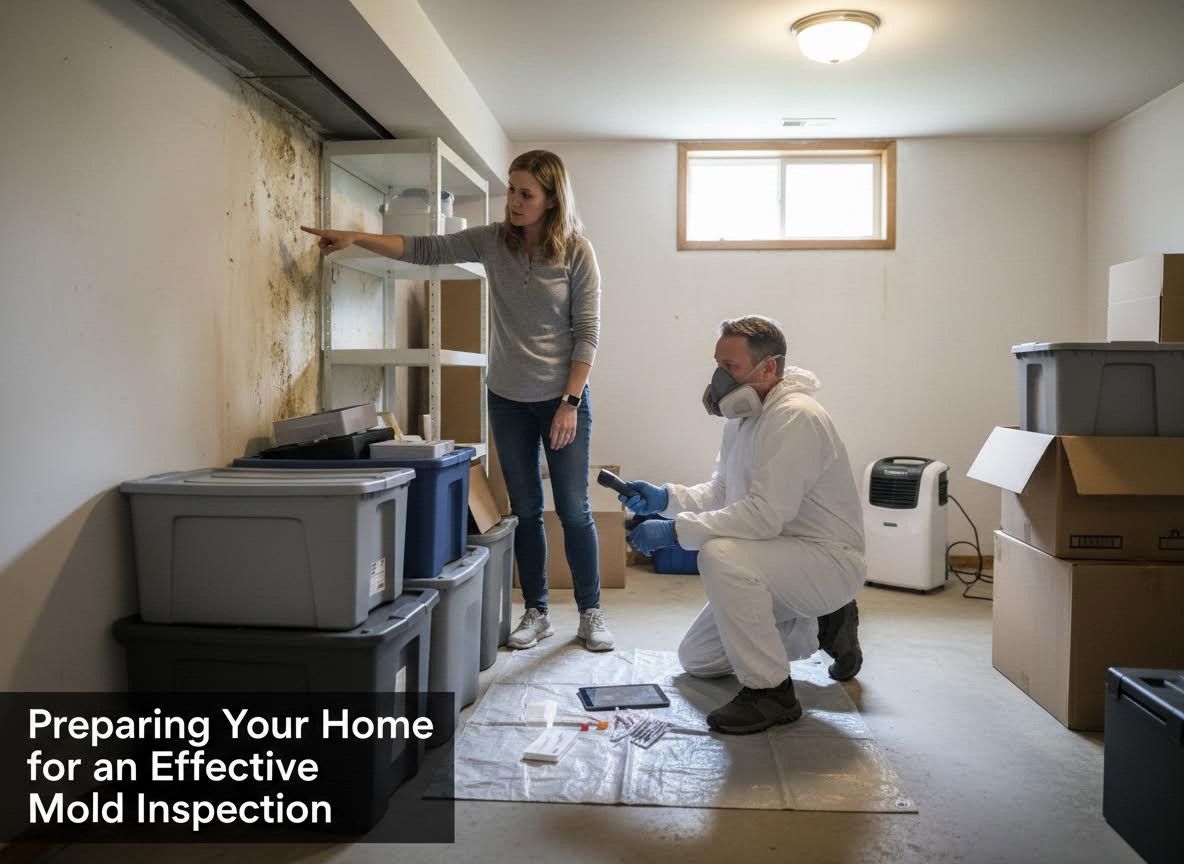
When suspecting mold in your home, a professional mold inspection is a crucial step towards ensuring a healthy living environment. To get the most accurate assessment, preparing your home beforehand is just as important as the inspection itself. Proper preparation allows inspectors from companies like Air Care and Restoration to thoroughly evaluate potential issues, identify sources of moisture, and determine the scope of any contamination. By following a few simple guidelines, you can facilitate a smoother and more effective inspection process.

Understanding the Purpose of Your Mold Inspection
A professional mold inspection goes beyond simply spotting visible mold. Its primary goal is to identify the presence of mold, its type, and the underlying moisture source that enables its growth. Inspectors use specialized tools and techniques, often including mold testing, to detect hidden mold and assess the air quality within your home. This comprehensive approach is vital because mold can thrive in unseen areas like behind walls, under flooring, or in attics and crawl spaces. Knowing the extent of the problem through thorough inspection and mold testing is the first step towards effective mold remediation.
Essential Steps to Take Before the Inspection
Before your scheduled inspection, there are several actions you can take to assist the inspector. First, clear any clutter or obstructions from areas where you suspect mold, as well as from common problem areas like basements, bathrooms, and utility rooms. This includes moving furniture, boxes, or storage items away from walls to provide easy access. Ensure all doors to attics, crawl spaces, and utility closets are unlocked or accessible. While it might be tempting to clean visible mold, it is crucial to avoid doing so, as cleaning can disturb spores and make it harder for the inspector to determine the original extent of the problem. Instead, simply note the areas of concern for the inspector. Preparing your home also involves ensuring adequate air care by turning off any humidifiers or dehumidifiers 24 hours prior, if possible, to allow natural humidity levels to stabilize.
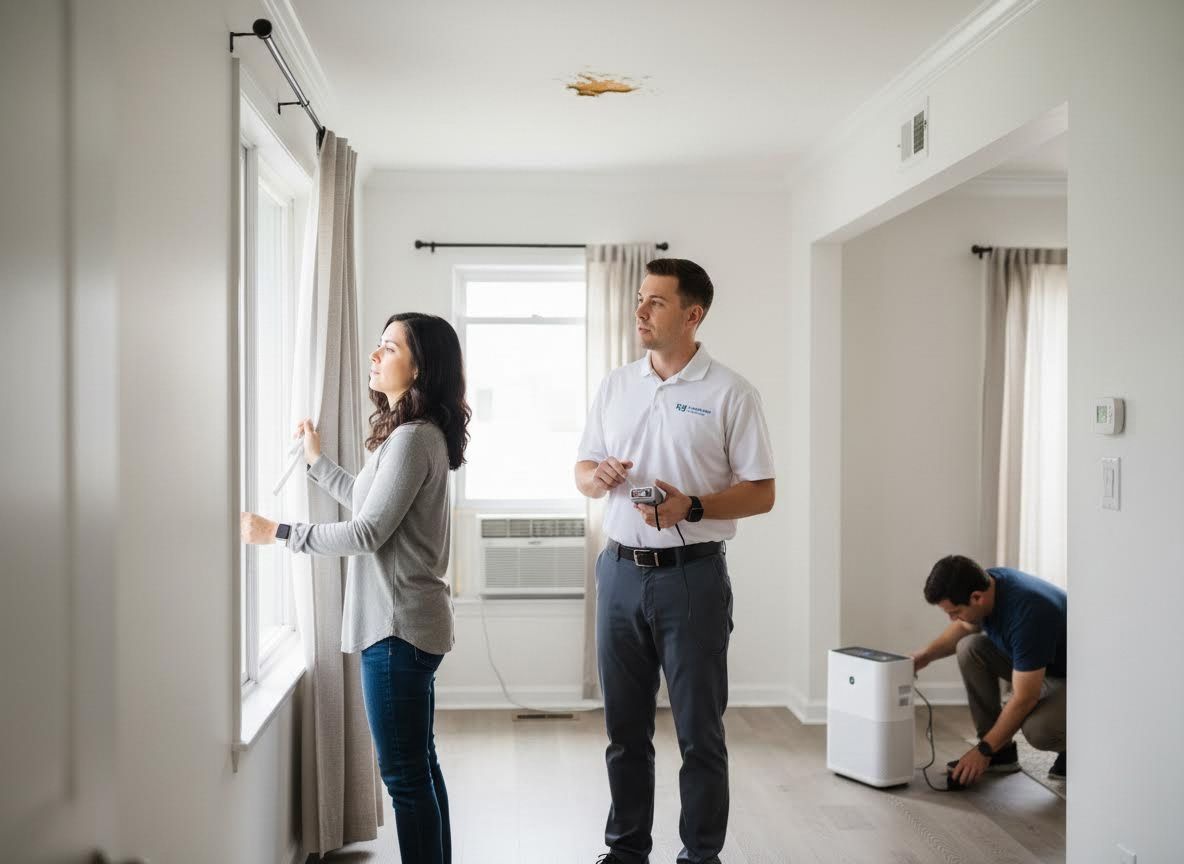
What to Avoid Before Your Inspector Arrives
To ensure the most accurate assessment, there are specific actions you should refrain from taking before a mold inspection. Do not run air purifiers, air conditioners, or heating systems for at least 24 hours prior to the inspection, as this can dilute spore counts in the air and provide misleading mold testing results. Avoid opening windows or doors unnecessarily, as this can introduce outdoor mold spores into the indoor environment, skewing air samples. Furthermore, resist the urge to paint over or bleach any visible mold, as these actions can mask the problem without addressing its root cause, making it more challenging for the inspector to accurately assess the situation and recommend appropriate mold remediation strategies. Strong cleaning agents or air fresheners can also interfere with the detection of mold odors, which are often key indicators for inspectors.
Preparing your home for a professional mold inspection is a simple yet crucial step in protecting your property and health. By ensuring clear access, avoiding DIY cleaning, and refraining from activities that might alter indoor air quality, you help the inspection team conduct a thorough and accurate assessment. This preparation directly contributes to pinpointing the problem areas, making subsequent mold remediation efforts more efficient and effective. For those experiencing issues, understanding the next steps, including comprehensive mold remediation in Pennsylvania and services like air duct sanitizing, is vital for long-term air care. If you have concerns about indoor air quality or potential mold, consider gathering more information about professional assessment and restoration services.