
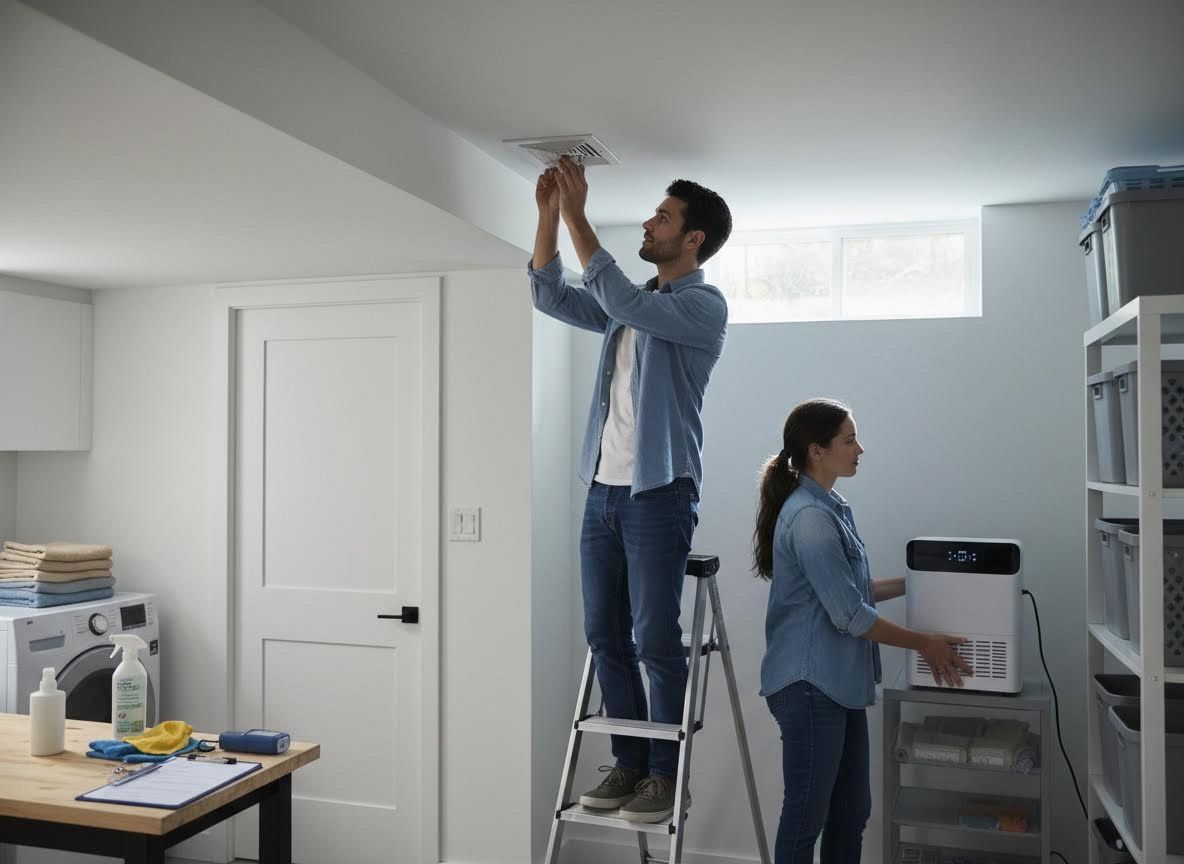
Mold can be a persistent problem, and while professional mold remediation effectively removes existing growth, the real challenge lies in preventing its return. A successful remediation is only the first step; understanding and implementing preventative measures is crucial to maintaining a healthy indoor environment. At Air Care and Restoration, we know that preventing future mold growth is key to protecting your property and the well-being of its occupants.
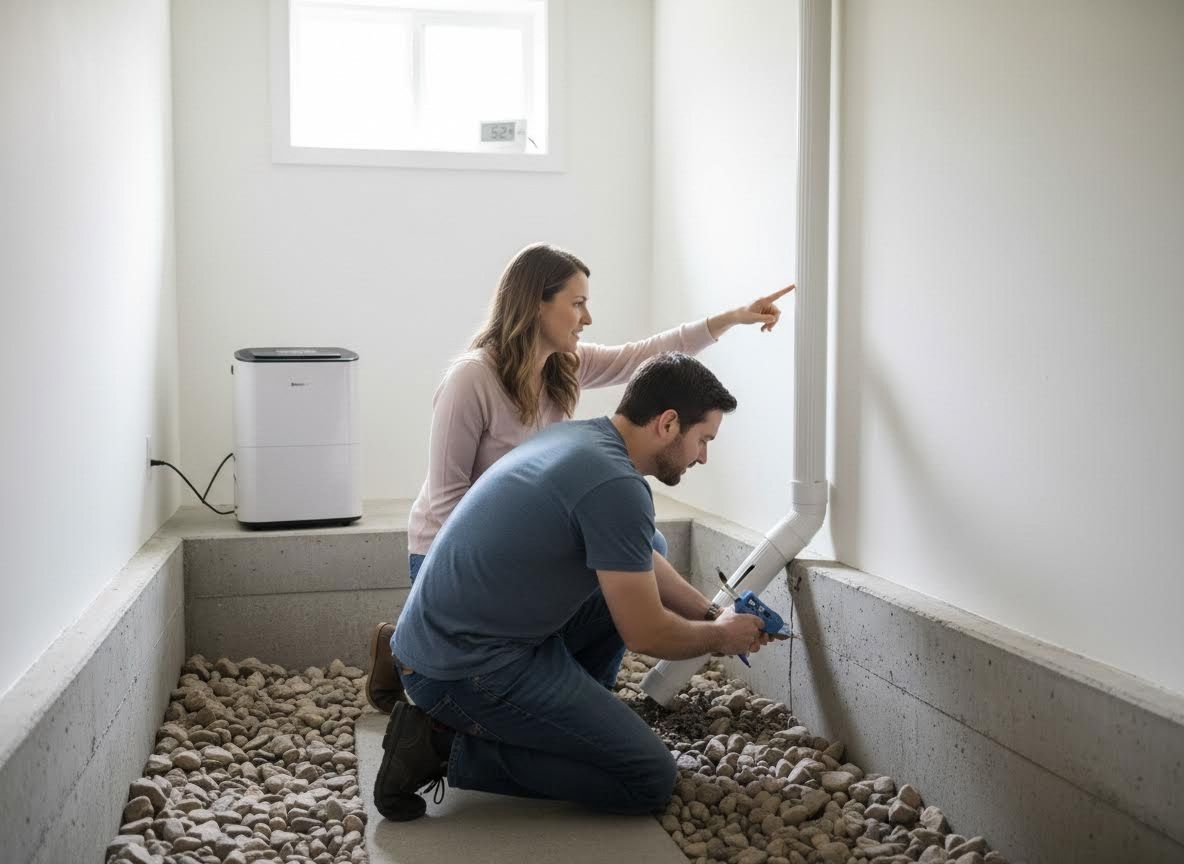
Identify and Address Moisture Sources
The fundamental cause of mold growth is excess moisture. After mold remediation, it's vital to identify and permanently fix any sources of water intrusion. This includes repairing leaky pipes, roofs, or foundations, ensuring proper drainage around your home's exterior, and sealing cracks where water could enter. High humidity levels, especially above 60%, also contribute to moisture. Using dehumidifiers in damp areas like basements and crawl spaces can significantly reduce indoor humidity, creating an environment less hospitable to mold.
Improve Ventilation and Airflow
Good ventilation is essential for preventing stagnant, moist air that mold thrives in. Ensure that bathrooms, kitchens, and laundry rooms have functional exhaust fans that vent outdoors, not into attics or wall cavities. Regularly opening windows and doors when weather permits can introduce fresh air and help control humidity. For optimal air care, consider professional assessment of your home's overall airflow. This can help prevent condensation build-up on surfaces and within wall cavities, which are prime areas for mold to develop.
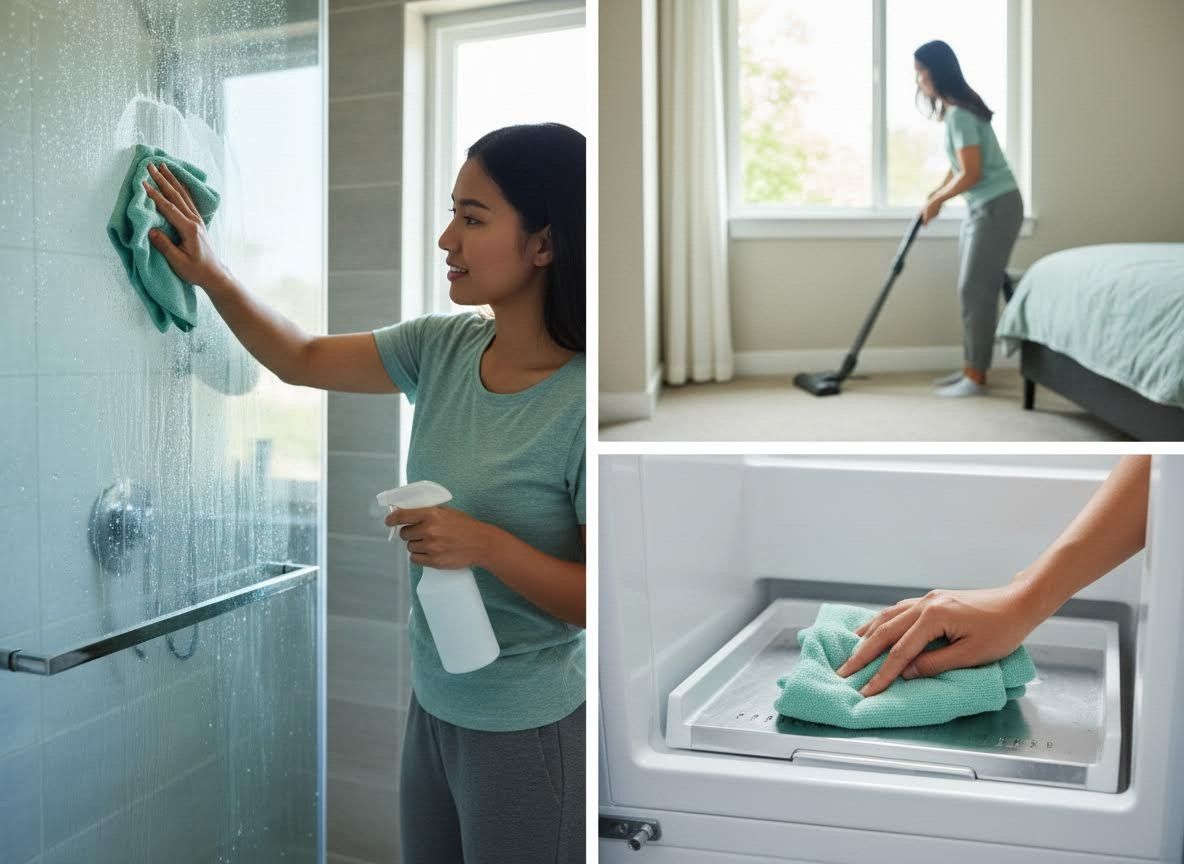
Regular Cleaning and Maintenance
Consistent cleaning and maintenance routines play a significant role in prevention. Promptly clean up spills and thoroughly dry affected areas within 24-48 hours. Dust and debris can provide food sources for mold, so regular vacuuming and dusting are important. Pay close attention to areas that are prone to moisture, such as shower curtains, refrigerator drip pans, and window sills. It is also beneficial to check for any new signs of moisture or musty odors, which can be early indicators of a developing problem.
Post-Remediation Monitoring and Air Quality Checks
Even after thorough mold remediation, ongoing vigilance is necessary. Consider scheduling follow-up mold testing to confirm that spore counts have returned to normal, especially in areas where mold was extensive. This can provide peace of mind and an objective assessment of your indoor air quality. Additionally, services like air duct sanitizing can help eliminate any lingering mold spores or contaminants that might be circulating through your HVAC system, further safeguarding your home's air. For comprehensive mold remediation in Pennsylvania, these preventative steps are invaluable.
Preventing mold from returning after mold remediation requires a proactive approach, focusing on moisture control, ventilation, and regular maintenance. By implementing these strategies, you can significantly reduce the risk of future mold growth and ensure a healthier living space. If you're looking for more detailed guidance on maintaining a mold-free environment, explore our resources on effective preventative measures.