
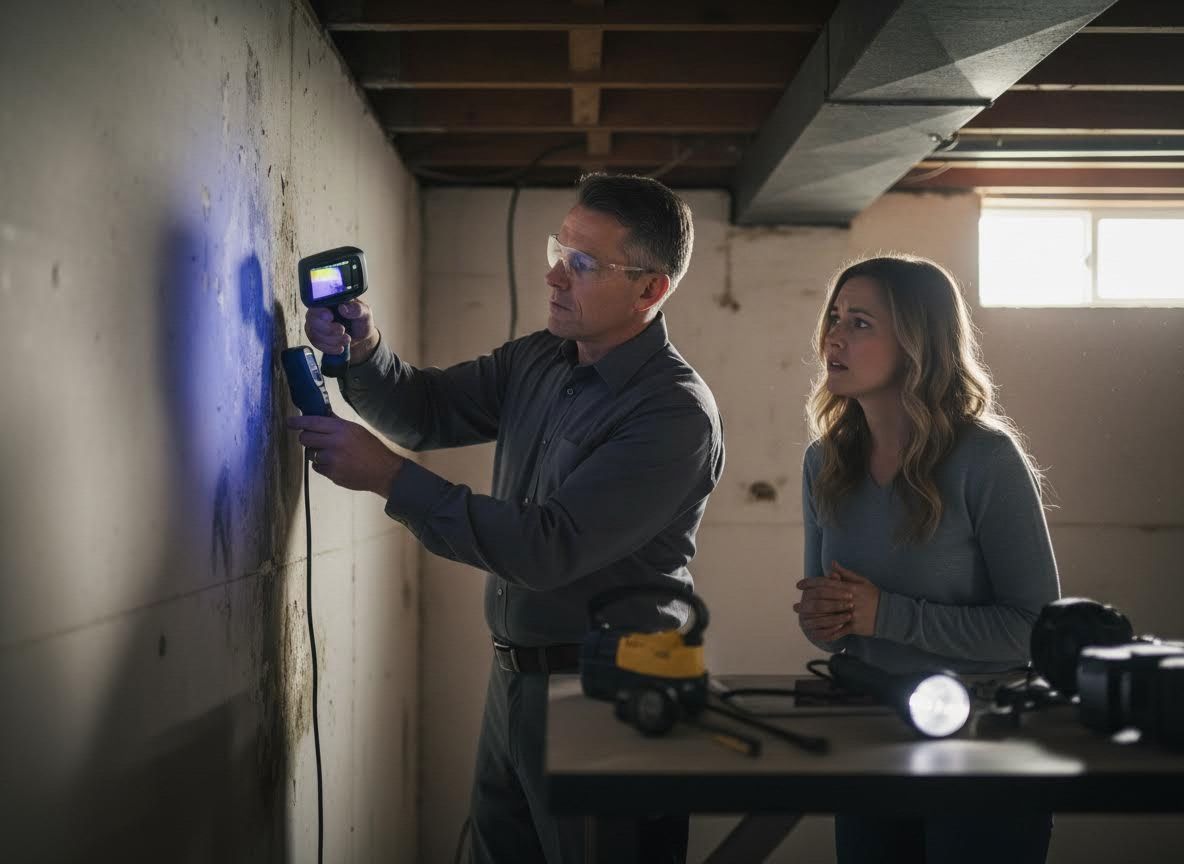
Discovering mold in your home can be concerning, but understanding the professional inspection process can ease your worries. When you suspect mold, engaging experts like Air Care and Restoration for a thorough assessment is the first crucial step to ensure the safety and health of your living environment. This guide will walk you through what to expect during a professional mold inspection, from the initial contact to understanding the final report.
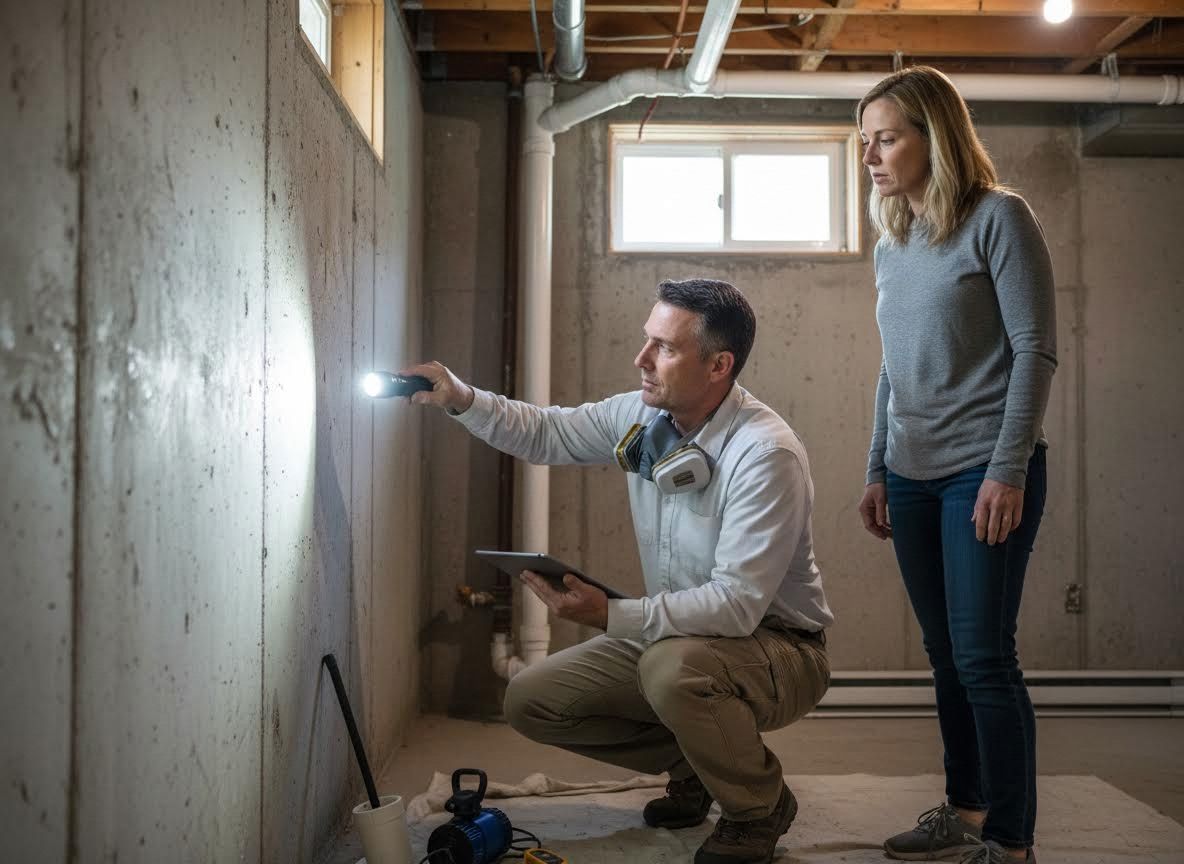
The Initial Assessment and Visual Examination
A professional mold inspection typically begins with a detailed conversation to understand your concerns, any visible signs of mold, and areas where you've noticed musty odors. The inspector will then conduct a comprehensive visual examination of your property. This isn't just a quick glance; it involves systematically checking common problem areas such as basements, attics, bathrooms, kitchens, and areas around windows and plumbing. They look for signs of water damage, moisture intrusion, and visible mold growth, as well as conditions conducive to mold development like high humidity or poor ventilation. The inspector will often use specialized equipment like high-intensity lighting to spot hidden issues.
Advanced Techniques and mold testing
Beyond the visual inspection, professionals utilize advanced tools to accurately assess the extent of potential mold issues. Moisture meters are invaluable for detecting elevated moisture levels behind walls, under flooring, and in other concealed areas, pinpointing where hidden mold might thrive. Thermal imaging cameras can identify temperature differences that indicate moisture pockets. If visual inspection or moisture readings suggest hidden mold, or if residents are experiencing health symptoms, the inspector may recommend mold testing. This involves collecting air samples, surface swabs, or tape lifts, which are then sent to an accredited laboratory for analysis to identify mold types and concentrations.
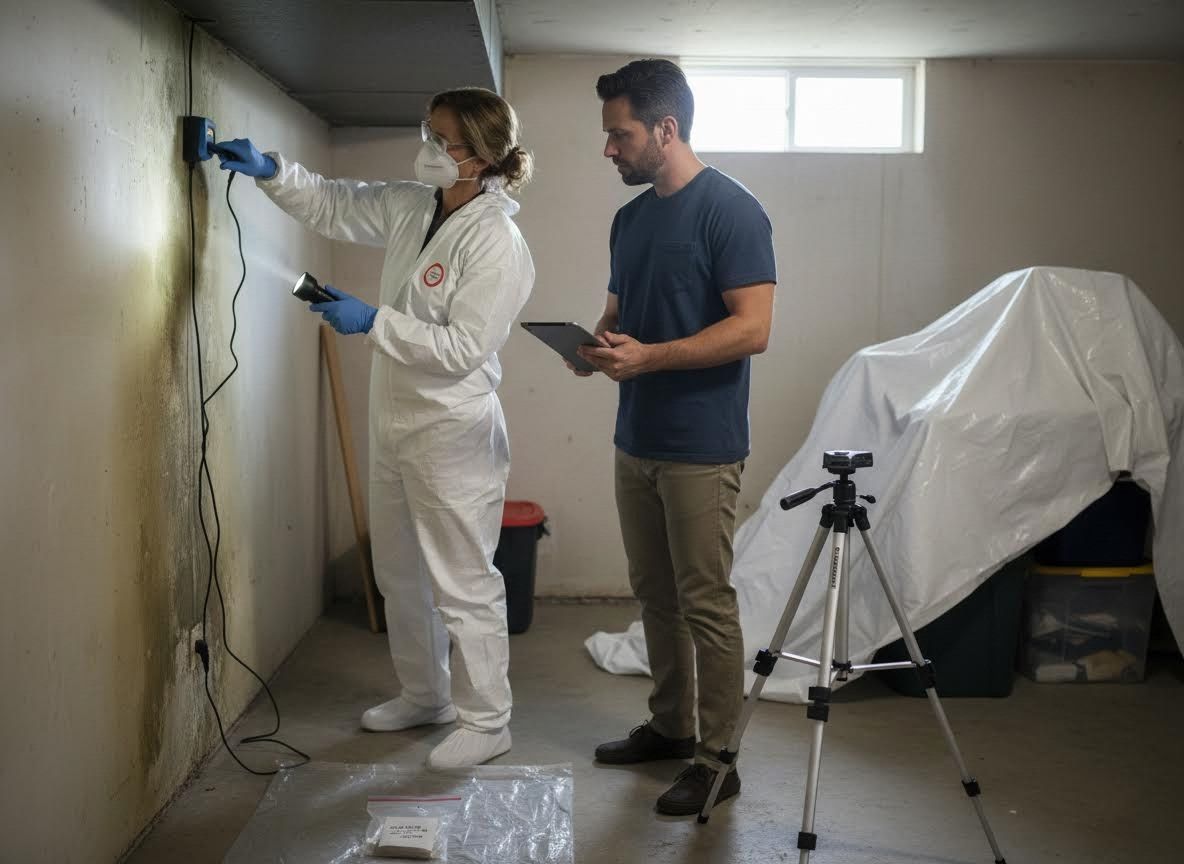
Understanding the Report and Next Steps
Once the inspection and any necessary mold testing are complete, you will receive a detailed report outlining the findings. This report will include observations, moisture readings, lab results from any mold testing, and, most importantly, recommendations for remediation. The recommendations will specify the scope of work needed, identifying areas requiring professional mold remediation and potential sources of moisture that need repair. This comprehensive report serves as your roadmap for addressing the mold issue effectively and ensuring your property is restored to a healthy condition.
A professional mold inspection is a critical step in identifying and addressing mold concerns in your home, providing peace of mind and a clear path forward. By understanding the process, from initial assessment and mold testing to comprehensive reporting and recommended mold remediation, you are better equipped to protect your property and health. For thorough inspections, expert mold remediation in Pennsylvania, and services like air care and air duct sanitizing, consider contacting experienced professionals to learn more about how they can assist you.